How Much Do Clear Aligners Cost in Brooklyn?

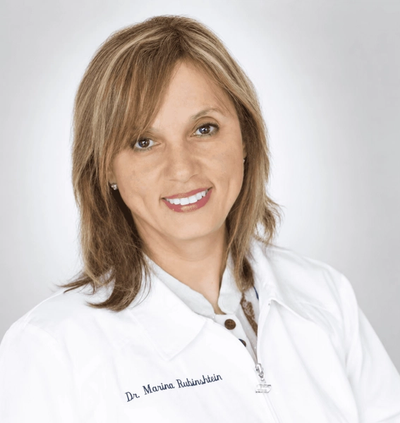
Reviewed by Dr. Marina Rubinshtein
Cosmetic Dentist at Bensonhurst Dental Care, Brooklyn
Clear aligners cost Brooklyn patients generally between $7,000 and $16,000 for a full course of treatment, depending on the brand, the provider, and how much correction your teeth actually need. Knowing what drives that number up or down helps you go into any consultation with realistic expectations and the right questions ready.

Average Clear Aligner Costs in Brooklyn (2026)
Prices across Brooklyn vary based on your case. Straightforward cases with mild crowding generally cost less than complex cases involving significant misalignment or bite correction. Across Brooklyn, clear aligner treatment generally falls between $7,000 and $16,000.
The wide range comes from several factors working together: which brand the provider uses, how long your treatment will take, and the overhead costs of running a dental office in different Brooklyn neighborhoods. Premium brands like Invisalign carry a higher price than lesser-known alternatives, but case difficulty is often the bigger driver. You can’t get a reliable quote without someone actually looking at your teeth.
What Affects the Price of Clear Aligners in Brooklyn?
No two treatment plans are identical, which is why it’s nearly impossible to get an accurate price over the phone. Three factors shape your final number more than anything else.
Complexity of Your Case
Mild crowding or small gaps between teeth represent the simplest cases, often treatable with fewer aligner trays and less overall treatment time. Moderate cases involve more noticeable misalignment, some rotation of teeth, or a slight overbite, and take longer. Severe cases involve significant bite problems, major crowding, or teeth that need to move in multiple directions, and take the longest.
The more complex your case, the more trays you need, the more check-in appointments your provider schedules, and the higher the overall cost. A real consultation with X-rays and a clinical exam is the only way to know which category you fall into.
Brand of Clear Aligners
Invisalign holds the largest share of the market and typically costs more than its competitors. ClearCorrect, SureSmile, and 3M Clarity are legitimate in-office alternatives that often cost less for comparable cases. Mail-order brands like Byte tend to come in lower still, though without clinical supervision.
The price difference doesn’t always mean a difference in results for straightforward cases. More expensive brands have longer track records, larger research bases, and wider provider networks, but a well-trained dentist using an alternative brand can deliver excellent outcomes for a patient who qualifies.
Provider Experience and Location
An experienced orthodontist in Park Slope or Brooklyn Heights typically charges more than a general dentist in Bensonhurst or Flatbush, partly because of specialty training and partly because of higher neighborhood overhead costs.
Specialty training matters most for complicated bite issues. For mild to moderate cases, a general dentist with solid aligner experience can produce comparable results at a lower price. Check how many aligner cases a provider has completed, not just their degree.
Clear Aligner Brand Comparison for Brooklyn Patients
Invisalign Costs in Brooklyn
Invisalign offers several treatment tiers, ranging from limited plans for minor corrections to comprehensive, full-arch treatment for complex cases. Ask your provider which tier your case falls into, since that’s the biggest driver of where your quote lands within the overall Brooklyn range.
The brand name carries real benefits: a massive clinical database, proprietary SmartTrack material designed to improve tooth movement, and the largest provider network in the city. Whether those advantages are worth the premium depends on your case and how much the price difference matters to your budget.
Other In-Office Clear Aligner Options
ClearCorrect, SureSmile, and 3M Clarity Aligners are all made in professional lab settings and prescribed by licensed dentists or orthodontists. These are not knock-offs. They use comparable materials and follow the same clinical process as Invisalign, and Brooklyn patients typically pay less with these brands for similar cases.
The main practical difference is provider familiarity. More Brooklyn dentists have extensive Invisalign training because the brand has been dominant longer. If your provider has strong experience with ClearCorrect or SureSmile specifically, the clinical outcomes for a straightforward case are unlikely to differ meaningfully.
Direct-to-Consumer Clear Aligners
Mail-order companies like Byte allow patients to take impressions at home, skip in-person visits, and receive aligners by mail at a lower price than in-office treatment. The savings are real. The trade-off is the absence of clinical supervision, which means no dentist is monitoring how your teeth and jaw respond during treatment.
This model works best for adults with very mild spacing or crowding and no underlying bite issues. Anyone with TMJ problems, gum disease, bone loss, or more than minor misalignment should not use a mail-order service. Without X-rays and a clinical exam, those conditions can go undetected until damage is done.
Does Dental Insurance Cover Clear Aligners in Brooklyn?
Typical Insurance Coverage
Many dental plans include orthodontic benefits, but not all of them cover adults, and coverage amounts vary a lot from plan to plan.
To find out what your plan covers, call the member services number on your insurance card and ask specifically whether your plan includes adult orthodontic benefits and what your remaining lifetime maximum is. Ask if clear aligners are treated the same as braces, since a small number of plans still exclude them.
Using FSA or HSA for Clear Aligners
Flexible spending accounts and health savings accounts both cover clear aligners as qualified orthodontic expenses. You pay for treatment using pre-tax dollars, which effectively reduces your cost by whatever your marginal tax rate is.
Most Brooklyn dental offices accept FSA and HSA cards directly at the time of payment. If your office doesn’t process cards on-site, you can pay out of pocket and submit receipts for reimbursement through your plan’s online portal.
Payment Plans and Financing Options in Brooklyn
In-House Payment Plans
Many Brooklyn dental offices let patients spread treatment costs over the course of care with no third-party lender involved, typically with an upfront amount followed by monthly payments. Ask your office directly for their specific down payment and monthly terms, since these vary by practice.
Ask the office directly what happens if you fall behind or need to pause payments. Most practices work with patients whose financial situations change, but it’s better to know the policy before you commit.
Third-Party Financing
CareCredit, Lending Club Patient Solutions, and similar medical financing companies offer promotional periods with no interest if the balance is paid in full before the period ends. After that window closes, standard interest rates apply, which can add up quickly on a large balance. Approval depends on your credit profile. Know the terms clearly before you sign.
How to Save Money on Clear Aligners in Brooklyn
Free Consultations and Second Opinions
Most Brooklyn providers offer free initial consultations, which gives you a real opportunity to comparison shop. Getting quotes from two or three offices costs you nothing but time. Dr. Marina Rubinshtein advises patients to “compare full treatment plans, not just the headline price,” since one quote might include retainers and refinements while another doesn’t. A lower number that excludes those items isn’t actually lower.
Dental Schools and Teaching Institutions
NYU College of Dentistry in Manhattan offers clear aligner treatment at reduced rates compared to private practice. Treatment is performed by supervised dental students, which means appointments run longer and scheduling is less flexible. For patients with straightforward cases and flexible schedules, the savings can be substantial.
Promotions and Timing
Brooklyn dental offices often run promotions in January, September, and around the new year when patient volume dips. Some offices discount early morning or midday appointments that are harder to fill. Avoid starting treatment in late December when insurance deductibles reset and offices are busy, which reduces your negotiating room.
Hidden Costs to Watch For
A quoted treatment price doesn’t always include everything. Before you sign, ask whether retainers are included, since you’ll need at least one set after treatment ends. Refinements, which are additional aligner trays made if your teeth don’t move exactly as planned, are sometimes included and sometimes billed separately. Replacement aligners for lost or damaged trays are typically an added cost too.
Also ask whether the price includes all office visits during treatment. Some offices bill monitoring appointments separately, which adds up over the course of a longer treatment plan.
Finding Affordable Clear Aligner Providers in Brooklyn
Start by looking for providers who post clear pricing information online, since transparency usually signals a patient-focused practice. Read reviews on Google and Healthgrades, paying attention to comments about billing surprises, not just clinical results. Ask during your consultation how many aligner cases the provider has completed in the last year.
Cheap for the wrong reasons usually means limited experience or excluded services that show up as add-on costs later. A provider who offers a thorough exam, clear written pricing, and answers your questions directly is worth paying slightly more for than one who rushes through the consult and hands you a pamphlet.
Clear aligners cost Brooklyn patients a wide range of amounts, but understanding what drives that range puts you in a much better position to find quality care at a fair price. Get more than one consultation, ask every question about what’s included, and use every pre-tax benefit available to you.
Frequently asked questions
Are clear aligners cheaper than traditional braces in Brooklyn?
Clear aligners and traditional braces in Brooklyn cover broadly similar price territory, with the bigger cost driver being your specific dental needs rather than the treatment type itself. Comparing both options during a consultation, with quotes based on your actual case, is the only reliable way to know which will cost you less.
Can I use my FSA or HSA to pay for Invisalign in Brooklyn?
Clear aligners, including Invisalign, qualify as orthodontic treatment under both FSA and HSA rules, which means you can pay using pre-tax dollars. Most Brooklyn dental offices accept FSA and HSA cards directly. Paying this way effectively reduces your real cost by your tax rate.
How much is a down payment for clear aligners in Brooklyn?
Down payment amounts vary by office. Some providers ask for a flat amount upfront, while others ask for a percentage of the total treatment cost. A few providers partner with third-party financing companies that offer zero-down options for patients who qualify based on credit score. Always ask what the down payment covers and whether it's refundable if treatment doesn't proceed.
Do Brooklyn dentists charge less than orthodontists for clear aligners?
General dentists in Brooklyn tend to charge less than orthodontists for comparable cases, since orthodontists carry additional specialized training in tooth movement and bite correction. That training makes a real difference for complex cases. For mild to moderate alignment issues without significant bite problems, a general dentist with strong aligner experience can often deliver equivalent results at a lower cost.
Does Medicaid cover clear aligners for adults in New York?
New York Medicaid covers orthodontic treatment only for patients under 21, and only when the case involves functional problems severe enough to meet clinical criteria. Adult Medicaid recipients in Brooklyn don't have access to clear aligner coverage unless there's documented medical necessity tied to jaw function. Most adults need private insurance with orthodontic benefits or out-of-pocket payment to move forward with treatment.