How Much Do Dental Implants Cost in Brooklyn?

Reviewed by Dr. Marina Rubinshtein
Cosmetic Dentist at Bensonhurst Dental Care, Brooklyn
Dental implants cost Brooklyn patients anywhere from $6,000 to $12,000 for a single tooth, depending on the dentist, the location, and what's included in the quote. The range is wide, the upfront cost is real, and understanding what drives that number can save you from billing surprises you didn't see coming.

Average Cost of Dental Implants in Brooklyn (2026)
A single dental implant in Brooklyn typically runs between $6,000 and $12,000. That reflects New York City overhead: higher rent, higher staff wages, and higher operating costs generally get passed on to patients.
Even within Brooklyn, the range is striking. A dentist in Williamsburg or Park Slope may charge significantly more than one in Bensonhurst or Canarsie, simply because their office costs more to run. The implant brand, the dentist’s training, and whether the office uses advanced imaging technology all push the price up or down. Getting two or three quotes from Brooklyn implant dentists before committing is practical, not paranoid. The dental implant cost in Brooklyn can vary by thousands of dollars for the same procedure, so those calls are worth making.
What’s Included in the Total Price of a Dental Implant?
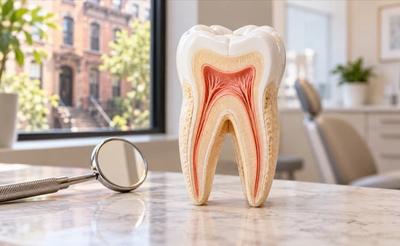
A dental implant is actually three separate parts, and many dentists quote them separately, which makes price comparisons tricky. The titanium post goes into your jawbone and acts like an artificial root. The abutment is a small connector piece that attaches to the post once it heals. The crown is the visible part that looks like a natural tooth. When you get a quote, ask whether it covers all three or just one component. Some offices bundle everything into one price; others itemize each step. Knowing what’s included upfront is how you avoid getting halfway through treatment and learning the crown costs extra.
Initial Consultation and X-Rays
Most Brooklyn dentists charge a separate fee for the first appointment, which typically includes a clinical exam and dental X-rays or a 3D cone beam scan. Some offices waive this fee if you move forward with treatment. This visit is also when you find out whether you need additional procedures before the implant can even be placed, like a bone graft or a tooth removal. It’s a diagnostic appointment as much as it is a pricing conversation, so ask what it costs upfront.
The Surgical Implant Placement
The placement surgery, where the titanium post is inserted into your jawbone, is done under local anesthesia, which numbs the area so most patients feel pressure but not pain. Sedation is available at many offices for patients who feel anxious, but it adds to the total cost. The procedure itself typically takes one to two hours. After placement, there’s a healing period of three to six months while the post fuses with your jawbone, a process called osseointegration.
Abutment and Crown Placement
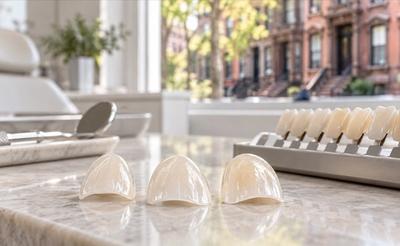
Once the implant has healed, you return for the abutment and crown. The crown material affects both appearance and price. Porcelain crowns look the most like natural teeth and are the most expensive option. Porcelain-fused-to-metal crowns cost less and are durable, but the metal edge can sometimes show near the gumline. All-metal crowns are the least expensive and most durable, though they’re rarely used for front teeth. This final step is what makes the implant look and function like a real tooth, and it’s worth asking your dentist how much of the overall quote it accounts for.
Additional Costs That Might Apply to Your Case
Several procedures can add to your total bill before the implant even goes in, and most patients aren’t warned about them during early pricing conversations.
- Bone grafting is needed when your jawbone isn’t dense or thick enough to support an implant. This is common in patients who have been missing a tooth for a long time. Ask your dentist for a specific estimate, since the cost depends on how extensive the graft needs to be.
- Sinus lifts are sometimes required for implants in the upper back jaw, where the sinus cavity sits close to the bone. A sinus lift raises the sinus floor to create room for the implant and is typically billed as a separate procedure.
- Tooth extraction, if the damaged tooth is still in place, adds to your total. Some dentists include this in a package price; others charge separately.
Why Dental Implant Prices Vary So Much in Brooklyn
A dentist with specialized implant training and 20 years of experience will charge more than one who recently added implants to their practice, and that difference in fee often reflects real differences in skill. Office location plays a role too: practices in high-rent Brooklyn neighborhoods carry those costs into their fees. The implant brand matters as well. Premium brands like Straumann, Nobel Biocare, and Zimmer have strong clinical track records and cost more than off-brand alternatives. Offices using 3D imaging and guided surgery technology may charge more, but that technology can improve placement accuracy. A lower quote isn’t automatically a red flag, but it warrants a closer look at what’s being offered.
Dental Insurance and Dental Implants in Brooklyn
Most dental insurance plans categorize implants as cosmetic and exclude them from coverage entirely. Some newer or premium plans will cover part of the crown portion, or related costs like extractions and X-rays, while still refusing to cover the implant post itself. Before assuming anything is covered, call your insurance company and ask for a pre-authorization in writing, and ask specifically what percentage, if any, they’ll cover. Verbal confirmations from phone representatives don’t protect you if coverage is later denied. Billing surprises after major dental surgery are genuinely stressful, and a written pre-authorization gives you something to reference if there’s a dispute.
Financing Options for Dental Implants in Brooklyn
Most patients don’t pay for implants in a single lump sum, and most Brooklyn dental offices don’t expect them to. CareCredit and LendingClub are the most common third-party healthcare financing options. Both typically offer promotional periods with zero interest if you pay off the balance within a set window, though the interest rate jumps sharply if you carry a balance past that point. Some dental offices offer their own in-house payment plans as well. Using a low-interest personal loan or a credit card with a 0% introductory APR can also work, as long as you have a clear plan for paying it off before the promotional period ends. Ask each office for their specific monthly payment terms based on your treatment cost.
How to Find Affordable Dental Implants in Brooklyn Without Sacrificing Quality
NYU College of Dentistry in Manhattan is one of the most practical options for Brooklyn patients who need to reduce costs. Supervised dental students perform implant procedures there at reduced rates compared to private practices. Appointments take longer and require more visits, but faculty oversee every step of the process. Community health centers in Brooklyn occasionally offer implant services on a sliding-fee scale based on income. Asking about package pricing, where two or three implants are discounted as a bundle, is worth doing if you need multiple teeth replaced. Be cautious of prices that seem dramatically below the Brooklyn average. Implant tourism, where patients travel abroad for cheaper procedures, creates real problems when something goes wrong and follow-up care becomes impossible to coordinate.
Questions to Ask Before Choosing Your Brooklyn Implant Dentist
Going into a consultation with specific questions gives you a much clearer picture of whether a dentist is the right fit.
- How many implants have you placed, and what is your success rate? Experience matters in a surgical procedure. A dentist who has placed hundreds of implants has a track record you can evaluate.
- What implant brand do you use and why? Premium brands have decades of published clinical data behind them. If a dentist uses a brand you can’t find information about, ask why they chose it.
- What happens if the implant fails? Some practices offer a warranty or will redo the procedure at reduced cost. Others don’t. You want to know this before you commit.
- Is your quoted price truly all-inclusive? Ask specifically whether the consultation, imaging, abutment, and crown are in the total, or whether any of those are billed separately.
Dental implants cost Brooklyn patients a real upfront investment, but with the right questions, realistic financing, and a few well-chosen consultations, finding a qualified implant dentist at a fair price is achievable.
Frequently asked questions
Does insurance cover dental implants in Brooklyn?
Most plans won't cover the implant post itself because they classify it as cosmetic. Some plans do cover part of the crown, or related costs like extractions. Call your insurer before your consultation and ask for pre-authorization in writing, including the exact percentage they'll cover. Coverage can vary significantly between plans from the same insurance company, so don't rely on what a friend with the same insurer was told.
How much is a full mouth of dental implants in Brooklyn?
A full-mouth restoration involves either individual implants for each missing tooth or a system like All-on-4, which uses four implants per arch to support a full set of teeth. Ask your implant dentist for a specific quote for your situation, since the total depends heavily on your bone density and how many teeth need to be replaced.
Are dental implants cheaper in other parts of New York?
Generally, office overhead costs are lower outside Brooklyn and Manhattan, in areas like Queens, the Bronx, or Long Island, which can translate into lower quotes. Factor in travel time and the number of appointments required over several months before deciding whether the savings are worth it.
Can I get dental implants for free in Brooklyn?
Free implants are rare, but reduced-cost options exist. NYU College of Dentistry offers implants at rates below private-practice pricing under faculty supervision. Some charitable dental programs serve veterans or low-income patients at no cost, though waitlists tend to be long and specific eligibility requirements apply.
How long do dental implants last, and is the cost worth it?
With proper care, implants can last 25 years or longer. Dr. Marina Rubinshtein at Bensonhurst Dental Care notes that when you factor in the lifespan of an implant versus a bridge or denture that needs replacing every 5 to 10 years, "the long-term value is significant." The upfront cost is real, but the per-year cost over decades, combined with better function and the bone preservation that implants provide, makes them a sound long-term choice for patients who can manage the initial expense.