Chipped Tooth Repair Methods Compared: Which Treatment Is Right for You?

Reviewed by Dr. Marina Rubinshtein
Cosmetic Dentist at Bensonhurst Dental Care, Brooklyn
Chipped tooth repair ranges from a quick polish to a full crown, and the right choice depends almost entirely on how much tooth structure you've lost and where in your mouth the chip is. Most patients don't need to panic, but waiting too long on even a small chip can turn a simple fix into a costly one. Here's a clear breakdown of your options.

Understanding Your Chipped Tooth: Why It Matters and What Happens If You Wait
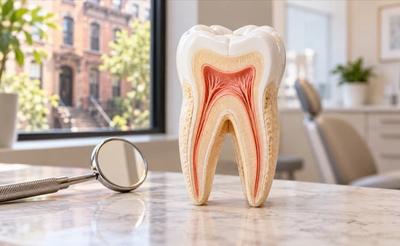
A tooth chip can mean different things. A tiny flake off a front edge is one scenario. A large break that cracks through to the inner layer, called the dentin (the softer layer beneath hard enamel), or all the way to the pulp where nerves live, is a very different one.
Even small chips aren’t purely cosmetic. Once the outer enamel breaks, the exposed area can absorb staining faster, continue cracking under daily pressure, or allow bacteria into the tooth structure. As Dr. Marina Rubinshtein explains: “If a patient has a small chip and nothing is being done about it, the worst thing that can happen is the tooth can chip more. Because once the chip is there, that area of the tooth might be still weak and it’s going to continue chipping more or with time it will become more stained.”
If the dentin layer is exposed, sensitivity to hot and cold often follows, and decay can set in faster than it would on an intact tooth. You don’t need to rush to an emergency room for a painless chip, but scheduling an appointment within a few days is a reasonable approach. If the chip is causing real pain or a sharp edge, same-day treatment for broken teeth is available.
The 5 Main Ways Dentists Fix Chipped Teeth
Broken tooth repair options generally fall into five categories: dental bonding, porcelain veneers, crowns, root canal with crown, and tooth recontouring. The right choice depends on how much tooth is missing, where the chip is located, and what matters most to you in terms of cost and final appearance. Some chips leave you with options; others dictate the treatment based on how deep or wide the damage goes.
Dental Bonding: The Quick and Affordable Fix
Dental bonding involves applying a tooth-colored resin directly to the chipped area. The dentist sculpts it to match your tooth’s shape, then hardens it with a special light. The whole process usually takes one visit and no removal of healthy tooth structure.
Bonding works best for small to medium chips, particularly on front teeth. Costs typically run $100 to $400 per tooth, making it the most budget-friendly fix available. The material does stain over time from coffee, tea, and red wine, and it tends to chip before a veneer or crown would. Most bonding lasts 3 to 7 years before it needs a touch-up or replacement.
Dr. Rubinshtein notes that bonding is often the right call even when veneers seem tempting: “If a patient has a chipped front tooth and it’s a small chip, then it’s easier to do the bonding versus try to play with the veneer and try to match the one front tooth with the veneer to the natural tooth. It’s very, very hard.”
Porcelain Veneers: When You Want a Perfect-Looking Smile
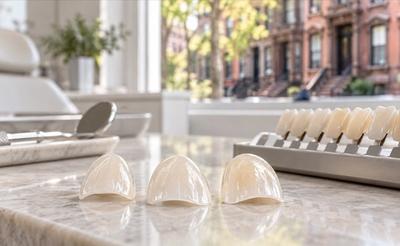
Veneers are thin porcelain shells bonded to the front surface of a tooth. They cover a chip while also improving the overall shape and color of the tooth. If you care a lot about cosmetic dentistry for chipped teeth and want a result that resists staining and lasts longer than bonding, veneers are worth considering.
The process requires two visits. The dentist shaves a thin layer of enamel from the front of the tooth to make room for the shell, which means removing some healthy structure that can’t be put back. Costs range from $500 to $2,500 per tooth depending on location and dentist experience. Veneers typically last 10 to 15 years with proper care, and they hold their color far better than bonding resin does.
Dental Crowns: For Bigger Chips and Breaks
A crown caps the entire tooth rather than just covering the front. When a large piece has broken off, when the tooth has an existing large filling, or when the break affects the structural integrity of the tooth, a crown is often the most protective option available.
The process involves reshaping the remaining tooth so the crown fits snugly over it. Most dentists place a temporary crown while the permanent one is made, which takes about two weeks. Crowns cost $800 to $3,000 depending on material and location. Molars, which absorb the most chewing force, often need crowns after significant breaks rather than bonding, which wouldn’t hold up under that pressure.
Root Canal Plus Crown: When the Chip Exposes the Nerve
When a chip reaches the pulp, the soft inner tissue containing nerves and blood vessels, the tooth needs more than a surface repair. Signs this has happened include intense pain, a visible pink or red tint inside the broken tooth, or swelling near the gumline. This is when a root canal becomes necessary.
A root canal removes the damaged pulp tissue, cleans the canal, and seals it. A crown then protects the remaining tooth structure. The combined cost can reach $3,000 or more, making this the most expensive chipped tooth repair option. Despite the reputation, root canals relieve pain rather than cause it, because the procedure removes the nerve tissue that’s been signaling distress. If you’re in significant pain right now, emergency pain treatment can get you seen quickly.
Tooth Recontouring: The Minor Fix You’ve Never Heard Of
Recontouring involves smoothing and reshaping a tooth with a dental polishing tool. It works only for very minor chips where the edge is rough or slightly uneven but the overall structure and length of the tooth are still intact.
Dr. Rubinshtein describes how she decides between recontouring and bonding: “If the chipped tooth is longer than the tooth next to it, we can just recontour and polish it. If a tooth is shorter than the tooth next to it, then the chip has to be fixed with bonding.” The process takes minutes, costs under $100, and sometimes comes at no charge during a regular dental cleaning visit.
Comparing Chipped Tooth Repair Costs: What You’ll Actually Pay
Tooth restoration cost varies by treatment type, tooth location, your dentist’s experience level, and where you live:
- Tooth recontouring: Under $100, often free during routine visits.
- Dental bonding: $600 to $1200 per tooth. Most insurance plans cover part of this when there’s functional damage.
- Porcelain veneers: $1900 to $3,500 per tooth. Insurance rarely covers veneers, as they’re considered cosmetic.
- Dental crowns: $1,900 to $3,500. Insurance typically covers 50% after your deductible when the crown is medically necessary.
- Root canal plus crown: $2,000 to $3,500 or more combined. Insurance usually covers a portion of both procedures when the pulp is involved.
Front teeth and teeth requiring specialist referrals cost more. Ask your dentist for a written estimate and request a pre-authorization from your insurer before proceeding with anything over $500.
How to Choose the Right Repair Method for Your Situation
The size of the chip narrows your options faster than anything else. A small cosmetic chip on a front tooth usually means bonding or recontouring. A mid-sized chip that affects how the tooth looks but not its structural health opens up the dental bonding vs veneers conversation. A large break or one that causes pain points toward a crown or root canal.
Beyond size, consider where the chip is. Back molars don’t need to match the exact color of your smile, so function matters more than appearance there. Front teeth carry cosmetic weight. Budget matters too, especially if insurance won’t cover the full treatment. Ask your dentist directly: “What’s the minimum treatment that protects this tooth long-term?” That question helps separate what’s clinically necessary from what’s optional.
What to Expect During Recovery and How Long Repairs Last
Most emergency dental repair and routine chip repairs involve minimal recovery. Bonding and recontouring leave little to no sensitivity afterward. Crown and veneer prep can cause mild sensitivity for a few days while the tooth adjusts.
Eat soft foods for 24 hours after bonding while the resin fully sets. Avoid biting hard objects, like ice or pen caps, with bonded teeth. For crowns, sensitivity near the gumline usually fades within a week.
Realistic lifespans by treatment:
- Recontouring: Permanent, since it simply removes a rough edge.
- Dental bonding: 3 to 7 years, sometimes longer with careful use.
- Porcelain veneers: 10 to 15 years with proper care.
- Crowns: 15 years or more when oral hygiene is consistent.
Good brushing habits, regular cleanings, and wearing a night guard if you grind your teeth all extend the life of any repair.
Finding a Dentist for Your Chipped Tooth Repair
A general dentist handles the full range of chipped tooth repair options, from bonding to crowns. You don’t need a specialist unless a root canal is involved, in which case your dentist may refer you to an endodontist (a specialist in treating the inner tooth).
When reading reviews, look for patients who mention clear explanations and transparent pricing. A dentist who walks you through why they’re recommending one option over another is more trustworthy than one who defaults to the most expensive fix without discussion. If the chip isn’t causing pain and isn’t getting worse, taking a few days to get two opinions on a costly treatment like veneers or a crown is completely reasonable.
Chipped tooth repair doesn’t have to feel overwhelming. Once you know the size of the chip and what you’re hoping to achieve, your options become much clearer, and so does the path forward with your dentist.
Frequently asked questions
Can a chipped tooth heal on its own?
Tooth enamel can't grow back or repair itself the way skin does. A chip will stay and may get worse over time without treatment. Very minor rough edges can be smoothed by a dentist, but the original enamel won't return.
How much does it cost to fix a chipped front tooth?
Small chips treated with dental bonding typically cost $100 to $400 per tooth and can be completed in a single visit. Larger chips requiring veneers run $500 to $2,500 per tooth, while crowns range from $800 to $3,000. Insurance may cover part of the cost if the damage affects tooth function.
Is a chipped tooth an emergency?
Severe pain, a sharp edge that's cutting the inside of your cheek, or pink or red coloring visible inside the tooth all call for same-day care. A small chip with no pain and no sharp edges can wait a few days for a regular appointment.
Does fixing a chipped tooth hurt?
Most repairs involve little to no pain. Dentists use local anesthesia for anything beyond minor smoothing. Bonding and veneer prep feel like gentle pressure. Some sensitivity in the days after treatment is normal, but the procedure itself is typically painless.
How long does dental bonding last on a chipped tooth?
Dental bonding lasts 3 to 7 years before needing replacement or a touch-up. It chips and stains more easily than veneers or crowns, so avoiding hard foods and going for regular dental checkups helps extend its lifespan.
Will my dental insurance cover chipped tooth repair?
Insurance usually covers chipped tooth repair when it's needed for function or health, paying 50 to 80% after your deductible. Purely cosmetic repairs on small front tooth chips may not be covered. Request a pre-authorization before any treatment over $500 so you know what to expect.